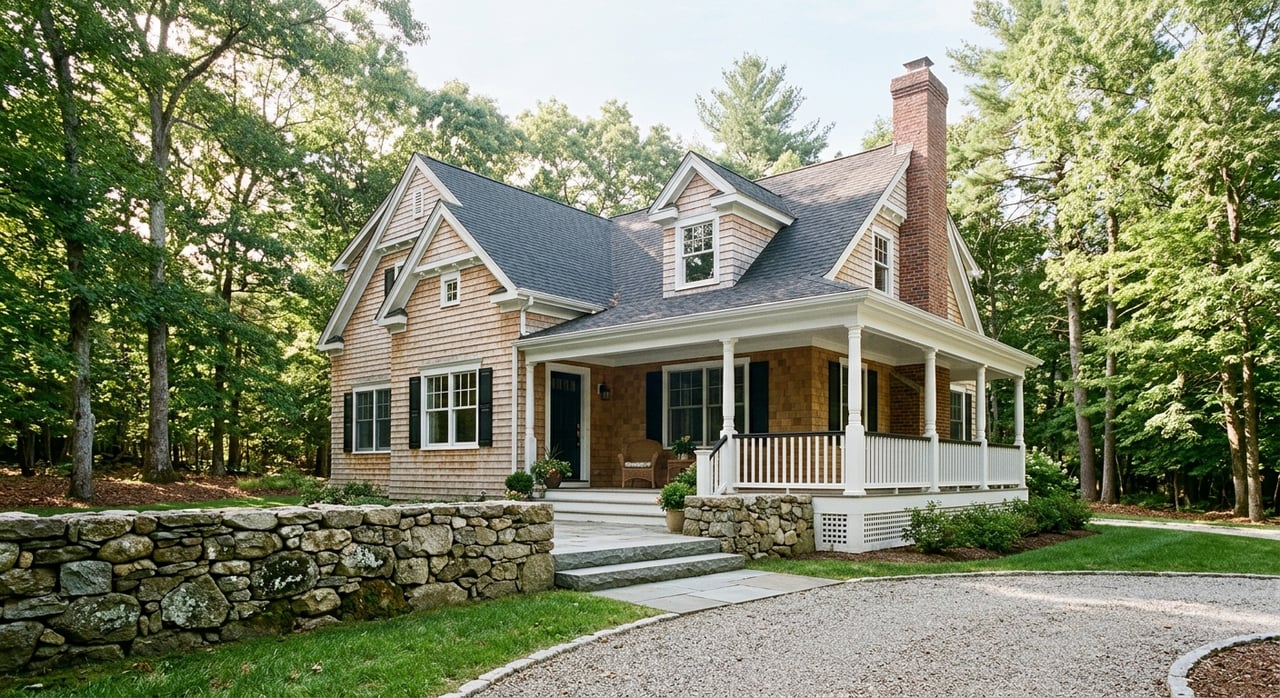
Looking for more breathing room without giving up access to Fairfield County or New York City? Weston and Redding stand out for exactly that reason. If you want a quieter setting, larger lots, and a more wooded day-to-day lifestyle, these two towns offer a version of country living that still keeps the coast and commuter routes within reach. Let’s take a closer look at what makes each town distinct.
Why Weston and Redding Feel Different
Weston and Redding are inland Fairfield County towns known for a lower-density, more residential feel than many shoreline communities. Weston’s official town materials note that it is about 45 miles from New York City, while Redding places itself about 53 miles from the city. Both towns lean into natural surroundings, limited commercial intensity, and a slower daily pace.
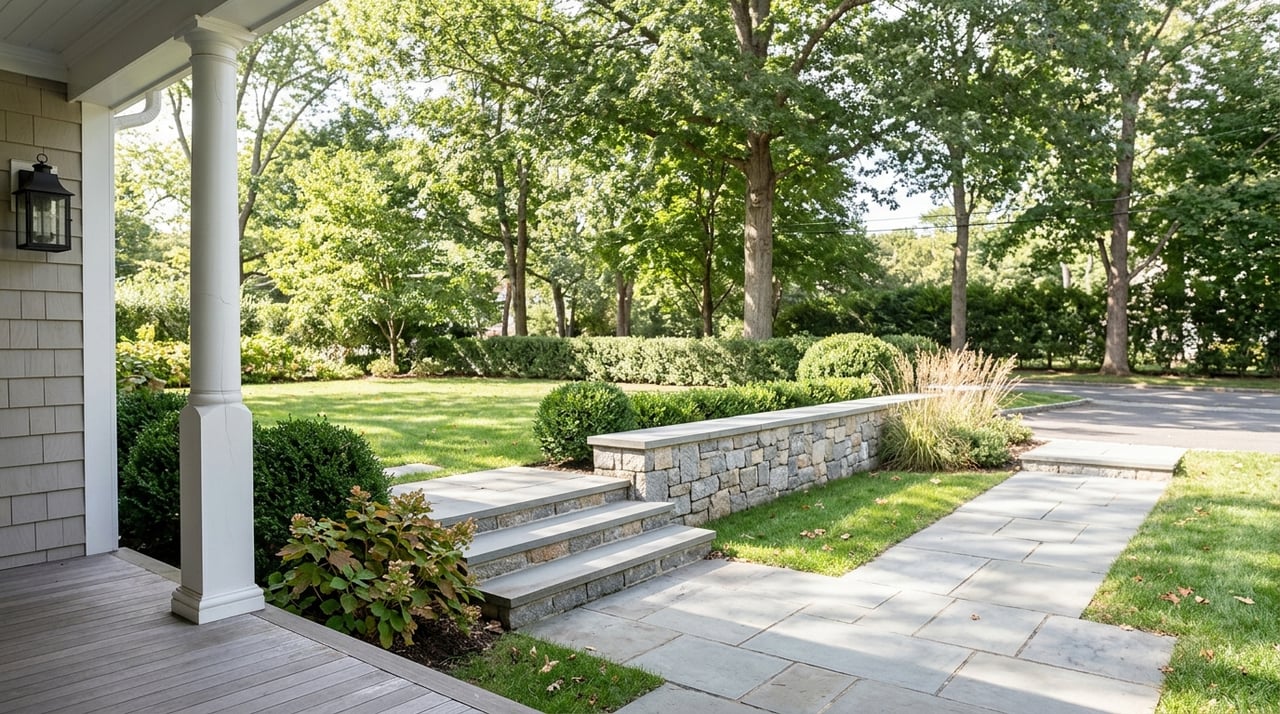
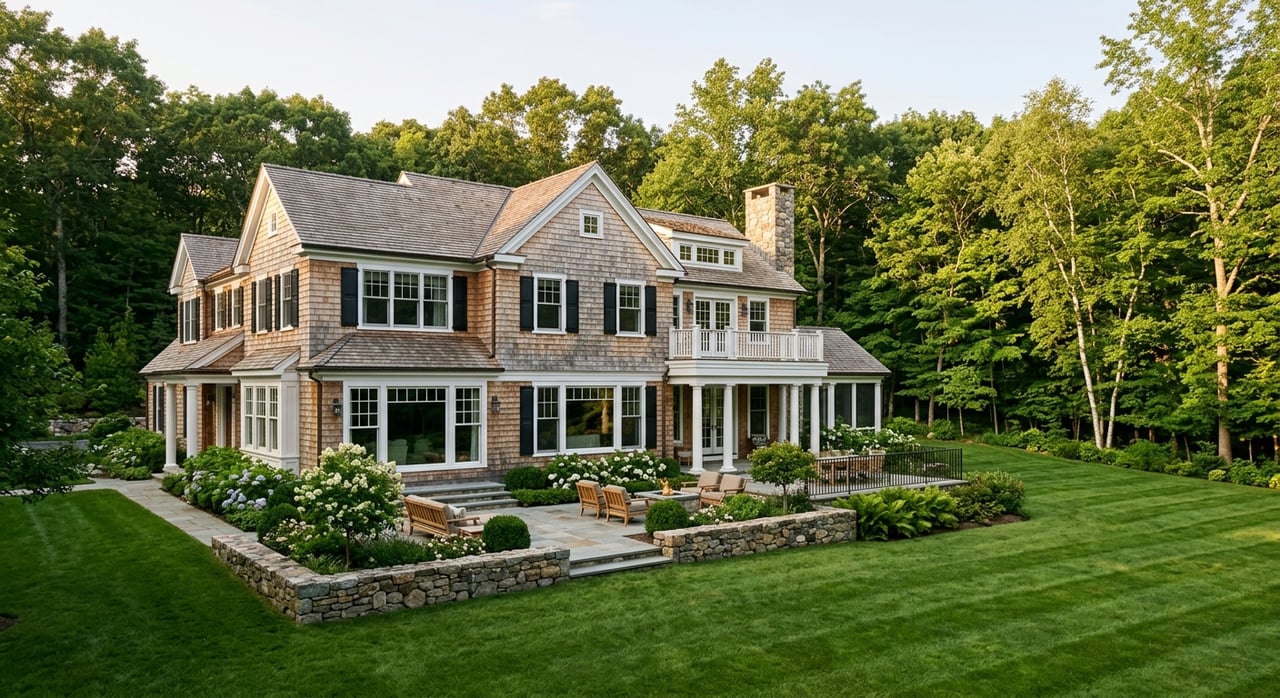
If you are comparing them to more built-up suburban markets, the difference is noticeable. These are places where wooded roads, preserved land, and larger home sites shape the experience. That setting appeals to buyers who want privacy, space, and a strong connection to the outdoors.
Weston: Quiet and Uniformly Residential
Weston is built around a rural residential pattern. The town’s zoning regulations center on the R-2A Two-Acre Residential and Farming District, and the code describes Weston as predominantly rural residential. Split lots must contain at least two contiguous acres, which reinforces the spacious, low-density feel many buyers are looking for.
That land-use pattern affects more than home size. It also shapes how the town looks and functions every day. Weston has minimal commercial development, and the town center serves as the main local gathering and shopping area.
For many buyers, that creates a sense of consistency. If you want a town that feels calm, residential, and intentionally protected from overdevelopment, Weston checks that box clearly.
Weston’s Open Space Lifestyle
Weston’s official materials say open space and recreation account for roughly 29% of the town’s land area. That is a major part of the town’s identity. Natural areas and preserved land are not just background scenery here. They are central to how the town feels.
The town highlights places such as Devil’s Den Preserve and Aspetuck Land Trust holdings. For you, that can mean easier access to trails, more wooded views, and a stronger sense of separation from denser development nearby.
Redding: Country Setting With Village Nodes
Redding also offers a country atmosphere, but the experience can feel a little more varied from one area to another. The town describes itself as 32 square miles and emphasizes its rural character. Unlike Weston’s more uniform pattern, Redding includes several recognizable hubs such as Redding Center, West Redding, Georgetown, the community center, the Mark Twain Library, and the Parade Path.
That layout can give Redding a slightly more village-based rhythm. You still get the space, trees, and lower-density setting, but your day-to-day movement may center around different parts of town rather than one main hub.
Redding’s zoning is also more mixed. Its zoning schedule includes an R-2 district with a 2-acre minimum lot area, while other residential zones vary by location. For buyers, that can translate to more variety in lot configurations and neighborhood feel depending on where you focus your search.
Redding’s Trail and Open Space Focus
Redding has long pursued a goal of preserving 25% of town land as permanent open space. That goal tells you a lot about local priorities. This is a town that has actively worked to protect its natural character over time.
The town’s land trust stewards more than 2,000 acres and works with the town to maintain more than 60 miles of trails. Redding’s hiking-trails page also notes over sixty miles of trails through preserves and natural areas. If outdoor access matters to you, Redding offers a strong trail-centered lifestyle.
How Rural Is It Really?
For many buyers, this is the key question. In both towns, the rural feel is real, but it comes in a Fairfield County version that still connects to work, shopping, and regional travel.
In Weston, the rural character is reinforced by two-acre zoning, minimal commercial development, and a predominantly residential landscape. In Redding, the rural feel comes through preserved land, trail systems, and a broader town geography with multiple community nodes. Neither town reads like a dense suburb.
If your goal is more privacy, more land, and a quieter home environment, both towns fit the description. The right choice often comes down to whether you prefer Weston’s more uniform residential pattern or Redding’s slightly more varied, hamlet-style feel.
Schools Buyers Often Consider
Schools are often part of the conversation for buyers moving to Weston or Redding. It is helpful to look at the available public data while remembering that the right fit depends on your own priorities and needs.
Weston Public Schools is a PK-12 district with 2,101 students across five schools in the 2024-25 EdSight profile. That same profile shows a 95.6% four-year graduation rate, an accountability index of 87.1, and chronic absenteeism of 4.3%. District performance indices for all students are 82.1 in English language arts, 80.0 in math, and 83.3 in science, each above Connecticut’s 75-point target.
Redding’s PK-8 district has 855 students across two schools in the 2024-25 EdSight profile. Its all-student performance indices are 79.2 in English language arts, 79.1 in math, and 78.9 in science, with an accountability index of 77.8. For high school, students attend Joel Barlow High School through Regional School District 09.
For buyers, these numbers often reinforce why both towns stay on the radar for long-term moves. Public school data is one piece of the decision, along with housing style, commute needs, and the kind of daily setting you want.
Commuting From Weston and Redding
Country living is appealing, but commute reality still matters. Weston is the more road-oriented town. Official town information notes that residents primarily commute to New York City and Lower Fairfield County, and access into town is tied to routes such as the Merritt Parkway, I-95, and Route 7.
That setup gives Weston a distinctly car-first feel. If you are comfortable driving for most daily needs and your routine revolves around regional road access, Weston may feel straightforward and predictable.
Redding is also car-dependent for many errands and routines, but it has a more visible rail component. The town includes a West Redding Train Station parking permit on its forms page, which signals a commuter-rail option that some buyers value. If train access is important to you, that can be a meaningful point of difference.
Everyday Life: What It Feels Like
Everyday life in Weston tends to revolve around a quieter, more uniformly residential pattern. With minimal commercial development and one main town hub, the experience can feel private, calm, and tucked away. Buyers often respond to that simplicity.
Redding offers a similar country setting, but with more distinct civic and village touchpoints. The mix of community spaces, trail access points, and hamlet-like areas can make daily life feel a bit more layered. Neither approach is better. It depends on the pace and setting you want.
Which Town Might Fit You Better?
Weston may be the better fit if you want:
- A strongly residential town structure
- Two-acre zoning as a defining feature
- Minimal commercial activity
- A quiet, road-oriented lifestyle centered around one main hub
Redding may be the better fit if you want:
- A country atmosphere with multiple local nodes
- Broad trail access and preserved land
- Some variety in neighborhood and lot patterns by area
- The added benefit of a visible rail option in West Redding
For many buyers, both towns deliver the same broad promise: more land, more privacy, and a quieter setting than you may find closer to the coast. The difference is in the details of how each town lives day to day.
If you are weighing Weston against Redding, it helps to view the choice through your real routine. Think about commute style, how much land you want, whether you value a more centralized town center or several community nodes, and what kind of home setting feels right for your next chapter.
If you are exploring country living in Fairfield County, The Fair Team can help you compare Weston, Redding, and nearby towns with local insight tailored to your goals.
FAQs
How rural are Weston and Redding in Fairfield County?
- Both towns have a genuinely low-density feel, with Weston reporting roughly 29% of land in open space and recreation, and Redding pursuing a goal of preserving 25% of town land as permanent open space while maintaining more than 60 miles of trails.
What is the difference between Weston and Redding day to day?
- Weston feels more uniformly residential with one main town hub, while Redding has a slightly more village-based pattern with areas like Redding Center, West Redding, and Georgetown.
What are commuting options from Weston and Redding?
- Weston is primarily road-oriented, with residents using routes such as the Merritt Parkway, I-95, and Route 7, while Redding is also car-dependent but offers a rail component through West Redding.
Are public schools part of the draw in Weston and Redding?
- Yes. Weston’s 2024-25 EdSight profile shows strong district metrics including a 95.6% graduation rate, and Redding’s PK-8 district performance indices are above Connecticut’s 75-point target in English language arts, math, and science.
What kinds of buyers usually consider Weston and Redding?
- These towns often appeal to buyers looking for larger lots, privacy, natural surroundings, and a quieter inland Fairfield County lifestyle with access to regional commuting routes.