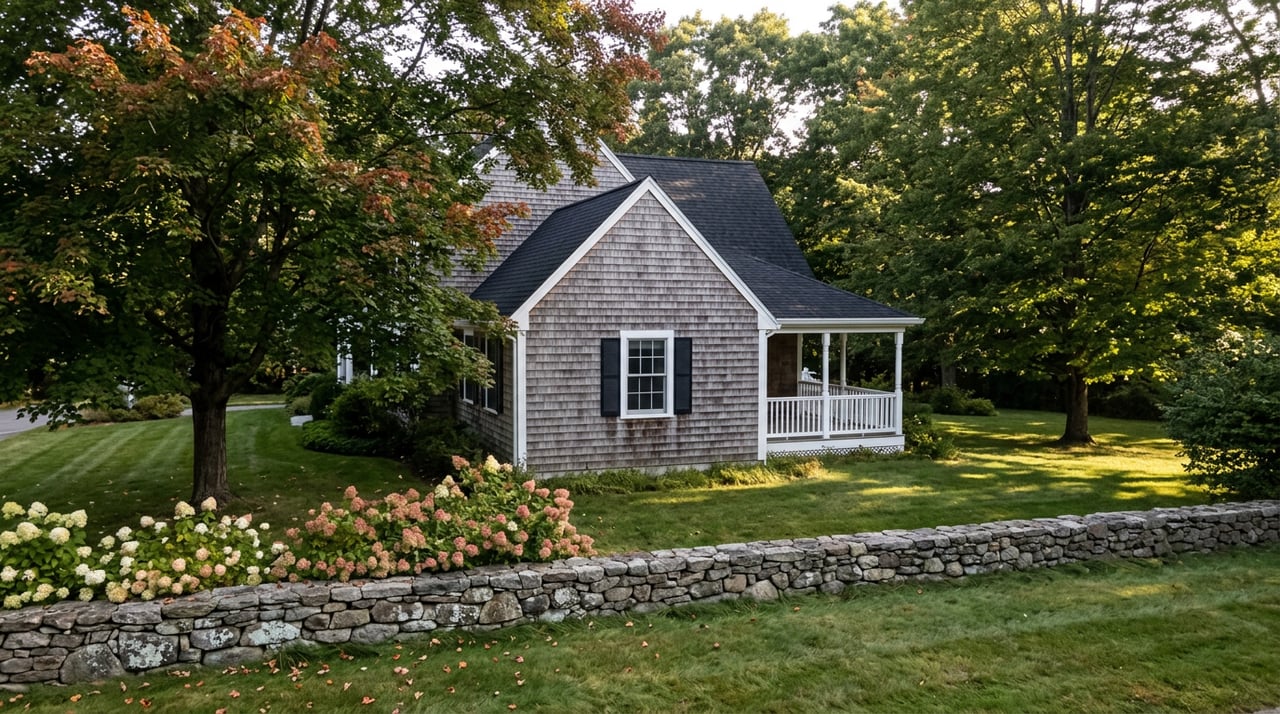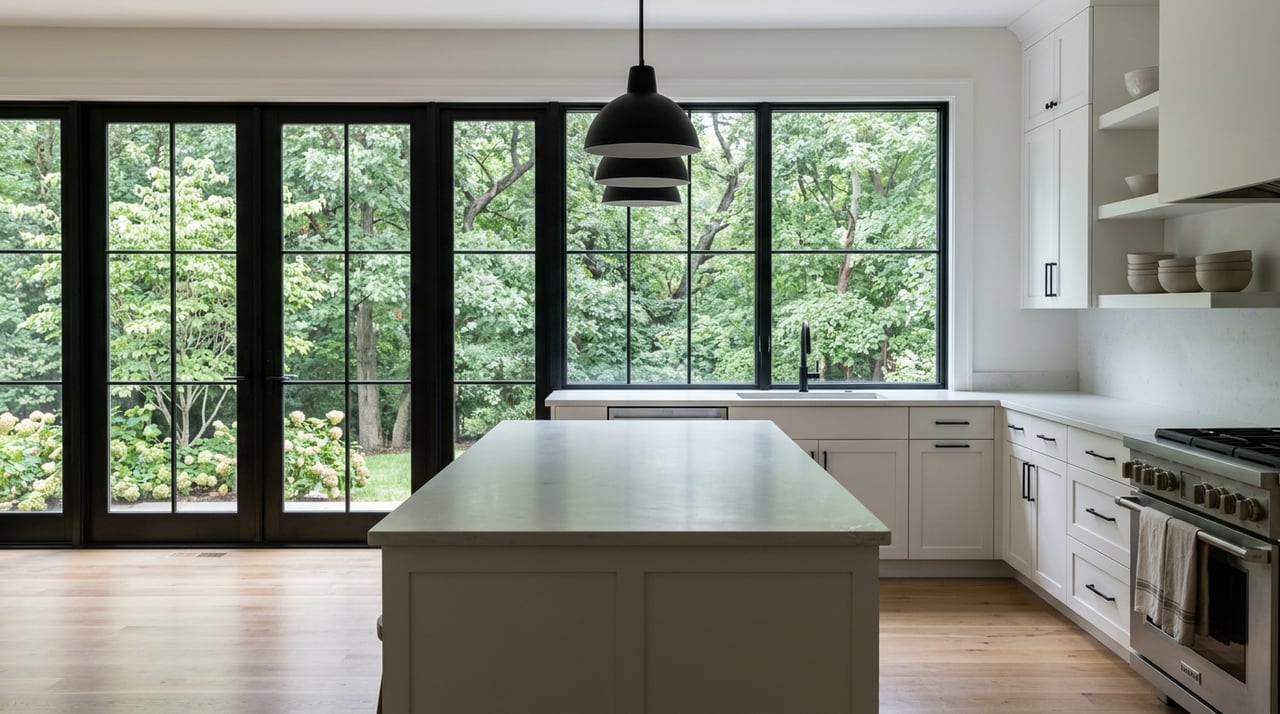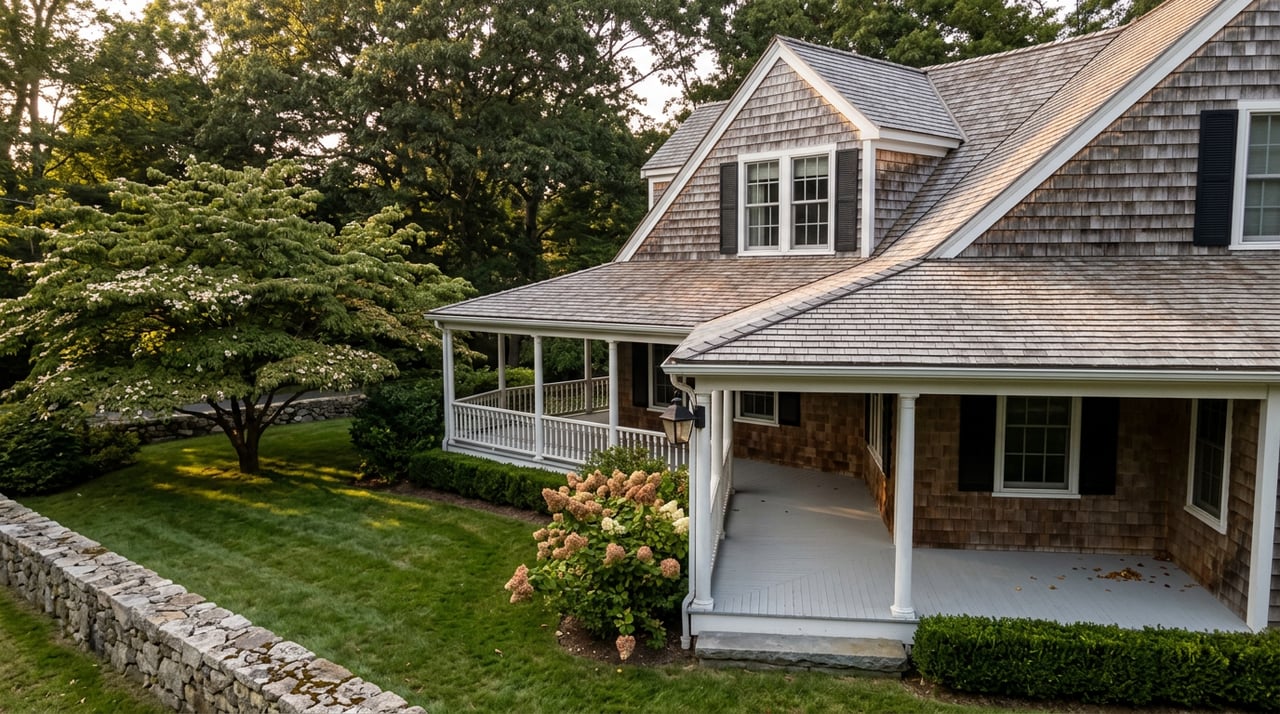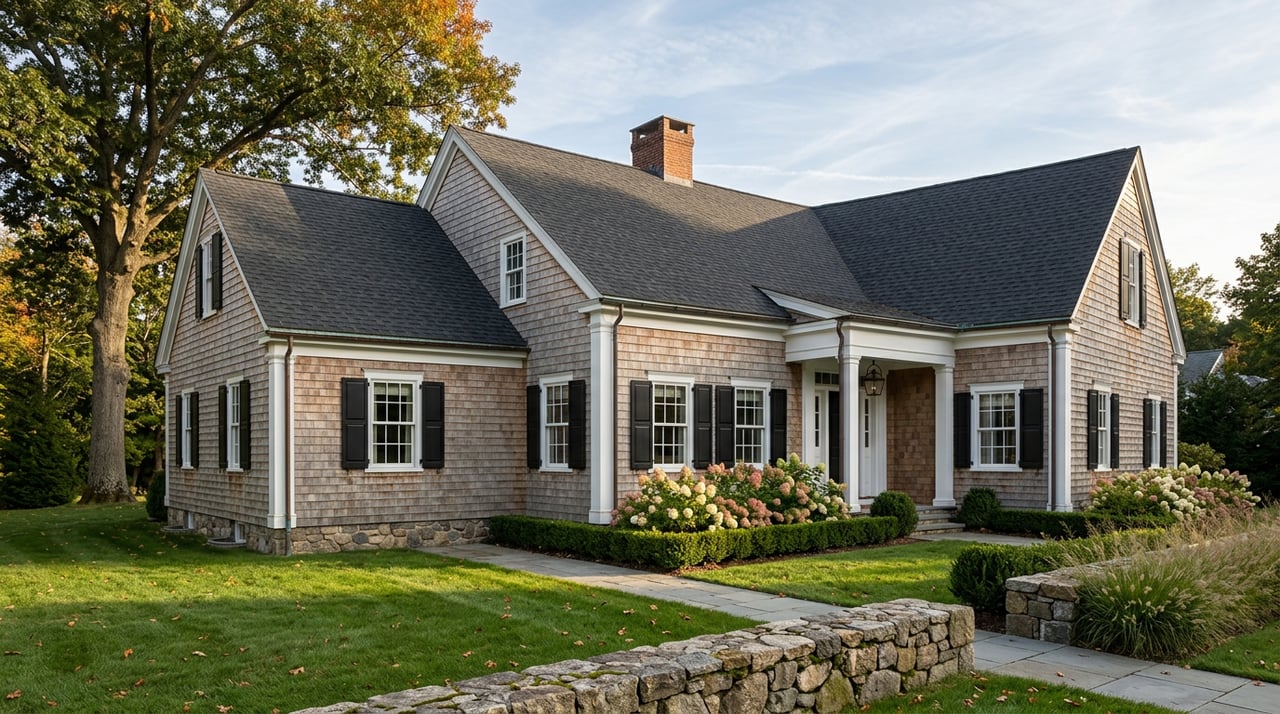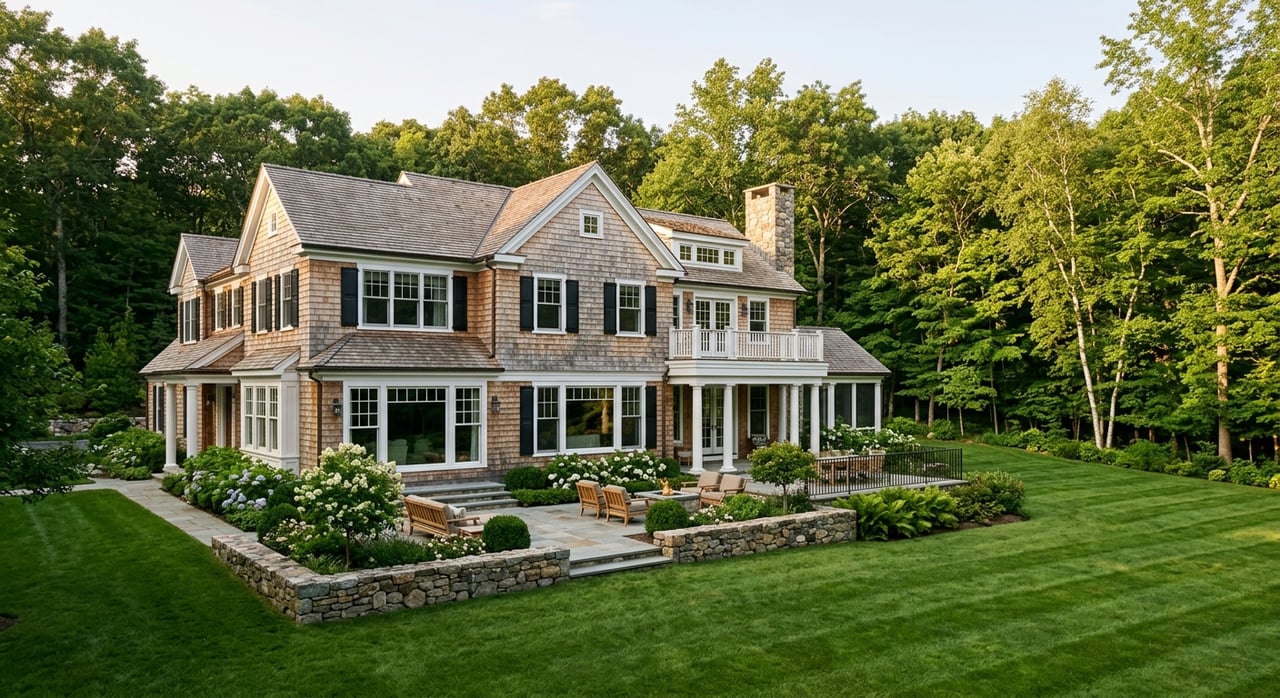
Thinking about leaving New York City for more room, but not ready to give up culture, convenience, or a strong local market? Ridgefield often lands on the shortlist for exactly that reason. If you want a larger home, more land, and a town center that still feels lively, Ridgefield offers a compelling balance, and understanding the tradeoffs can help you decide if it fits your next move. Let’s dive in.
Why Ridgefield stands out
For many NYC buyers, the move to Fairfield County starts with one big goal: more space without losing everyday quality of life. Ridgefield delivers that in a way that feels distinct from some of the better-known towns closer to the shoreline.
The town describes itself as a short drive north of New York City and highlights its historic Main Street, restaurants, and arts identity. That matters because space alone is rarely enough. Many buyers want extra square footage and acreage, but they also want a place that feels established, active, and easy to enjoy day to day.
More house for your budget
One of Ridgefield’s biggest draws is value relative to nearby Fairfield County towns. In spring 2026 housing data, Ridgefield had a median listing price of $895,000 and a median sold price of $1,005,000.
That compares with $1.175 million in Wilton and $2.897 million in Westport. So if you are comparing towns through the lens of space and budget, Ridgefield often opens the door to a larger property without pushing you into Westport-level pricing.
Price per square foot helps tell the same story. Ridgefield came in at $404 per square foot, compared with $394 in Wilton and $645 in Westport. While every home is different, those numbers reinforce Ridgefield’s appeal for buyers who care more about overall space and setting than the shortest possible commute.
Space is part of the market mix
Ridgefield’s appeal is not just theoretical. The actual inventory shows why buyers looking for more room often focus here.
Current listings include homes such as 1,790 square feet on 1.02 acres, 3,377 square feet on 1.02 acres, 4,684 square feet on 1 acre, 5,202 square feet on 2.08 acres, and 6,962 square feet on 2.3 acres. Recent sold homes also included larger single-family properties in roughly the 2,200 to 6,200+ square foot range on about 1 to 2 acres.
That pattern matters. It suggests that larger homes on meaningful lots are a normal part of Ridgefield’s housing mix, not an occasional outlier. For buyers coming from the city, that can mean a very different daily experience, from dedicated home offices to guest space, playrooms, gyms, and more privacy outdoors.
Expect competition, not a bargain bin
Ridgefield may offer more space for the money than some nearby towns, but it is not a sleepy market. Realtor.com characterized Ridgefield as a seller’s market with a 100% sale-to-list ratio.
Homes also moved with a median time on market of 27 days in the spring 2026 snapshot. That means well-priced homes can move quickly, especially the ones that check the boxes many NYC buyers want most: updated condition, flexible layout, usable yard space, and a convenient location within town.
For you as a buyer, the takeaway is simple. Ridgefield can feel like better value, but you still need to be prepared, decisive, and realistic about competition.
Schools add to Ridgefield’s pull
For buyers who are planning around long-term needs, school data is often part of the conversation. Ridgefield School District’s 2024-25 EdSight report shows a 95.9% four-year graduation rate, 85.4% college entrance rate, 95.9% college persistence rate, and 81.3% postsecondary readiness.
Those figures are above the state averages listed in the same report. While every household evaluates school options differently, these objective indicators help explain why Ridgefield continues to attract move-up buyers and relocating households.
The town also describes Ridgefield as having a highly rated school system. Taken together, the reputation and the district performance data support the idea that schools are one of the drivers behind steady buyer demand.
Commute tradeoffs matter
If you are moving from NYC, commute convenience will likely shape your shortlist. This is where Ridgefield’s biggest tradeoff becomes clear.
Branchville Station is Ridgefield’s Metro-North stop on the Danbury Branch. According to the town’s Branchville planning document, the branch has about 28 departing trains per weekday, and the average trip is about 1.5 hours to Grand Central.
Ridgefield also runs a weekday rush-hour Ridgefield-Katonah Shuttle timed to connect with trains at Katonah, though there is no weekend service. That gives residents another commuting option, but it also highlights the reality that Ridgefield is often a more car-dependent choice.
Ridgefield vs. Wilton
Wilton has both Wilton and Cannondale stations on the Danbury Branch. For some buyers, that stronger rail convenience can make Wilton feel easier for regular train commuters.
But Ridgefield often wins on the lifestyle side if your top priorities are more house, more land, and a quieter setting. In other words, Wilton may edge ahead for rail access, while Ridgefield often gains ground when space is the main goal.
Ridgefield vs. Westport
Westport sits in a different price bracket and offers stronger rail convenience through the New Haven Line, with both Westport and Greens Farms stations. Its station setup and amenities support a more direct commuter experience.
The tradeoff is cost. If your budget stretches comfortably into Westport, the easier commute may justify it. If you want to maximize square footage, lot size, and overall value while staying in Fairfield County, Ridgefield often becomes the more practical option.
Small-town feel with real culture
A lot of buyers are not just searching for a house. They are searching for a town that feels enjoyable after the move is over. Ridgefield stands out here because it offers more than a residential backdrop.
The town highlights its historic Main Street, boutiques, and a wide range of restaurants from casual dining to fine dining. That village-center energy is a meaningful part of the appeal, especially for buyers who want a suburban setting that still feels active and connected.
Ridgefield also has a notable arts and culture profile. The town points to the Aldrich Contemporary Art Museum, Ridgefield Playhouse, ACT of Connecticut, the Prospector Theater, and Keeler Tavern as part of its identity.
That lineup helps Ridgefield feel more layered than a typical commuter town. If you are used to having live performances, film, dining, and cultural outings nearby, Ridgefield may feel like an easier transition from city life than a purely residential suburb.
Outdoor access adds everyday value
Space-seeking buyers often want more than interior square footage. They also want easier access to nature, privacy, and outdoor recreation.
Ridgefield offers several strong options. Weir Farm National Historical Park spans Ridgefield and Wilton, and its grounds and trails are open daily year-round. Seth Low Pierrepont State Park Reserve offers trails and overlooks, and Bennett’s Pond State Park adds another local trail network.
For many buyers, these amenities become part of daily life in a way they never were in the city. A bigger lot matters, but so does being able to get out for a walk, hike, or scenic break without planning your whole day around it.
Who Ridgefield tends to fit best
Ridgefield is often a strong match if you are willing to trade some commute convenience for more space and a quieter setting. It tends to appeal to buyers who want a larger single-family home, more land, and a town with both charm and substance.
It can be especially attractive if you value a traditional downtown, established cultural venues, and access to trails and parks. If you need the most direct rail setup possible, Westport or Wilton may deserve a closer look. If your goal is a broader lifestyle package at a lower entry point than Westport, Ridgefield is often where the search gets serious.
The bottom line for NYC buyers
Ridgefield appeals to space-seeking NYC buyers because it brings together several priorities in one place: larger homes, meaningful lot sizes, a small-town center, strong school outcomes, arts and dining, and access to nature. Just as important, it often does that at a lower price point than Westport.
The main compromise is commute ease. Ridgefield is workable for many buyers heading into New York, but it is less rail-convenient than Wilton and especially Westport. If you are clear on that tradeoff, Ridgefield can be one of the most compelling value-and-lifestyle plays in Fairfield County.
If you are comparing Ridgefield with Wilton, Westport, or other Fairfield County towns, The Fair Team can help you weigh space, commute, pricing, and neighborhood fit with a local, tailored approach.
FAQs
Why do NYC buyers consider Ridgefield, CT for more space?
- Ridgefield often offers larger single-family homes and lot sizes that are a regular part of the market, with examples ranging from about 1,790 to nearly 7,000 square feet on roughly 1 to 2+ acres.
How does Ridgefield compare with Westport on home prices?
- Spring 2026 data showed Ridgefield with a median listing price of $895,000 versus $2.897 million in Westport, making Ridgefield a more accessible option for many buyers focused on space.
How does Ridgefield compare with Wilton for NYC commuting?
- Ridgefield has rail access through Branchville Station and a weekday shuttle to Katonah, but Wilton has two Danbury Branch stations, so many buyers see Wilton as the more rail-convenient option.
What is the Ridgefield, CT housing market like for buyers?
- Ridgefield was characterized as a seller’s market with a 100% sale-to-list ratio and a median time on market of 27 days, so buyers should expect competition for well-priced homes.
What draws buyers to Ridgefield beyond housing?
- Ridgefield offers a historic Main Street, restaurants, boutiques, arts venues like Ridgefield Playhouse and the Aldrich Contemporary Art Museum, plus outdoor access through parks and trails.
Are Ridgefield schools part of the town’s appeal for relocating buyers?
- Yes. Ridgefield School District’s 2024-25 EdSight data showed outcomes above state averages in graduation, college entrance, college persistence, and postsecondary readiness, which helps support buyer interest.