Trying to decide between a condo and a single-family home in Stamford? You are not alone. For many buyers, the choice comes down to a mix of budget, commute, maintenance, privacy, and long-term goals. The good news is that Stamford offers strong options on both sides, from downtown condos near transit to detached homes in lower-density parts of the city. This guide will help you compare the trade-offs so you can make a more confident move.
How Stamford Shapes Your Choice
Stamford is a location-sensitive housing market, and that matters when you compare property types. According to the city’s Stamford 2035 Comprehensive Plan, 60% of Stamford’s land area falls under the Residential Single-Family future land-use category, while new multifamily housing is concentrated more in Downtown, South End, and West Side.
That means your home search will often follow geography. Condos are most common in the city core and mixed-use or waterfront areas, while single-family homes dominate lower-density sections such as North Stamford, Springdale, Glenbrook, and Newfield-Westover-Turn of River.
Stamford Condo Prices vs House Prices
For many buyers, the biggest difference is the entry price. Current market snapshots show Stamford condos generally cost much less than detached homes, which can make condo ownership a more accessible starting point.
According to Redfin’s Stamford condo page, there are 58 condos for sale with a median listing price of $405,000. PropertyShark’s Q4 2025 Stamford report puts the citywide condo median sale price at $444,000, compared with a house median sale price of $875,000.
Downtown condo pricing can run a bit higher than the citywide condo median. Realtor.com’s Downtown Stamford condo data shows a median listing price of $469,000.
Single-family homes cover a much wider range. In North Stamford market data, the median list price is $1.56 million, while Redfin reported a February 2026 median sale price of $1.19 million there. In Springdale, Redfin reported a February 2026 median sale price of about $597,000.
Quick price comparison
| Property Type | Typical Stamford Snapshot |
|---|---|
| Condo | Median listing price around $405,000 |
| Condo | Median sale price around $444,000 |
| Downtown condo | Median listing price around $469,000 |
| Single-family house | Median sale price around $875,000 |
| North Stamford house | Median list price around $1.56M |
Monthly Costs Matter Too
Purchase price is only part of the story. Your monthly carrying costs can look very different depending on whether you choose a condo or a detached home.
For condos, HOA dues are a major line item. Stamford listings show examples of monthly HOA fees at $367, $385, $485, $487, $556, $824, and $922, depending on the building and service level. In some properties, those dues may cover exterior maintenance, snow removal, heat, hot water, water, sewer, parking, pool service, or building management.
A recent Downtown Stamford condo sale at 99 Prospect Street closed at $265,000 with $485 per month in HOA dues. That is a helpful real-world reminder that a lower purchase price does not always mean a lower monthly budget.
Property taxes also deserve a close look. Connecticut assesses real estate at 70% of fair market value, and Stamford’s FY 2024-25 real-estate mill rates ranged from 22.76 to 23.36 depending on district. Based on those figures, an approximate annual property tax bill before exemptions would be about $7,100 to $7,300 on a $444,000 condo and about $13,900 to $14,300 on an $875,000 house.
What You Get With a Condo
A condo often appeals to buyers who want convenience and less exterior responsibility. In Stamford, many condo buildings offer amenities and services that support a simpler day-to-day routine.
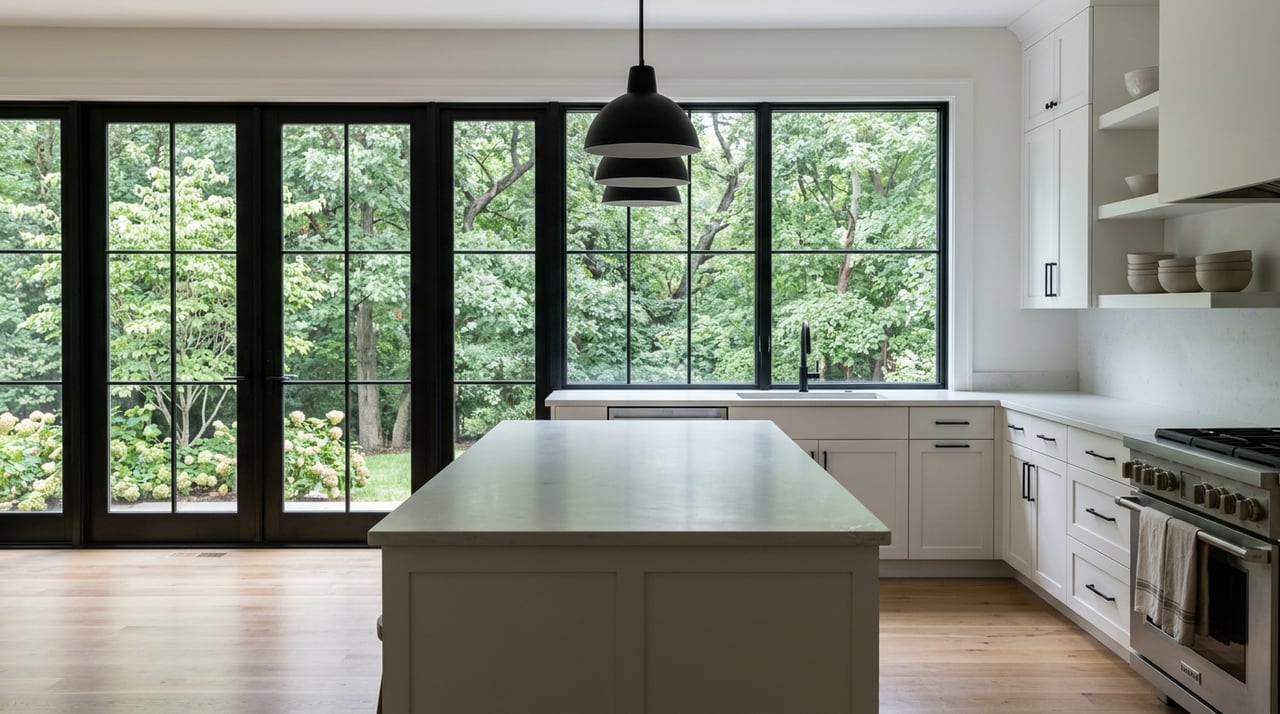
A recent 25 Forest Street condo listing highlights features buyers often value, including 24/7 concierge, a rooftop pool, fitness lounge, clubhouse, and garage parking. Some buildings also include utilities or shared services through HOA dues, which can help simplify your monthly planning.
This setup can be especially attractive if you want a lock-and-leave lifestyle. If you travel often, prefer less yard work, or want to spend more time enjoying the city and less time managing exterior upkeep, a condo may fit your priorities well.
What You Get With a Single-Family Home
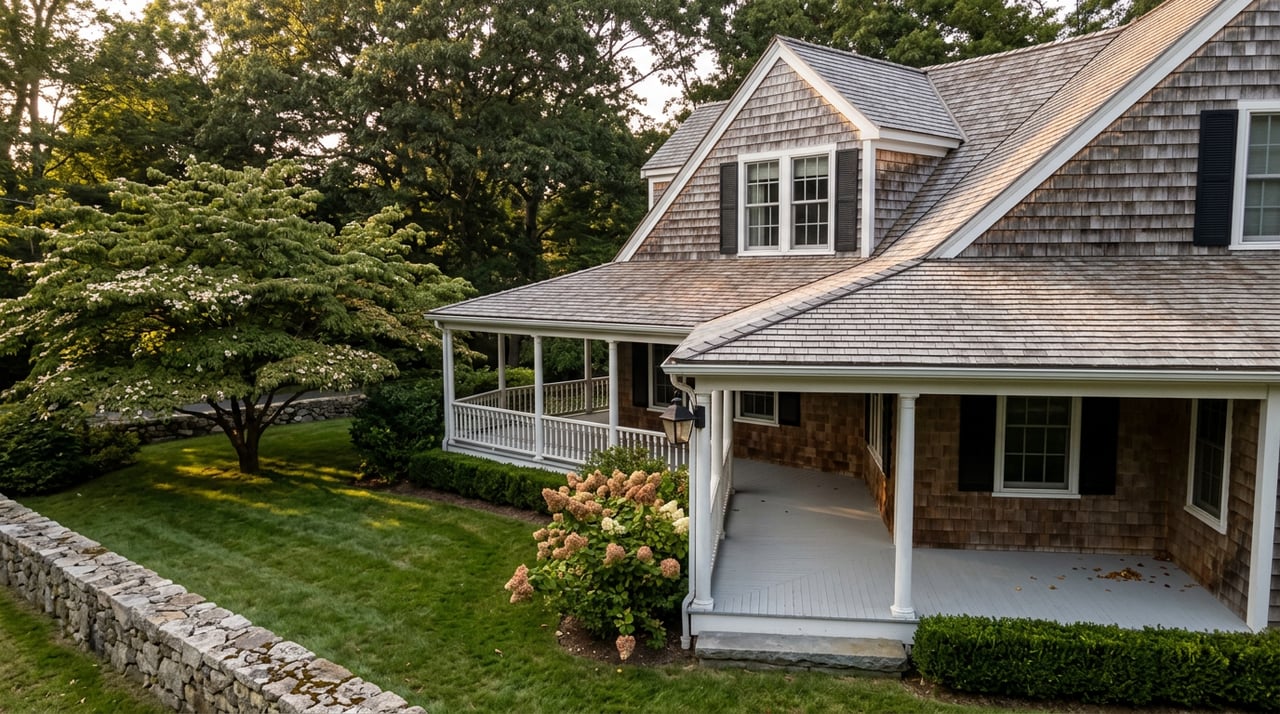
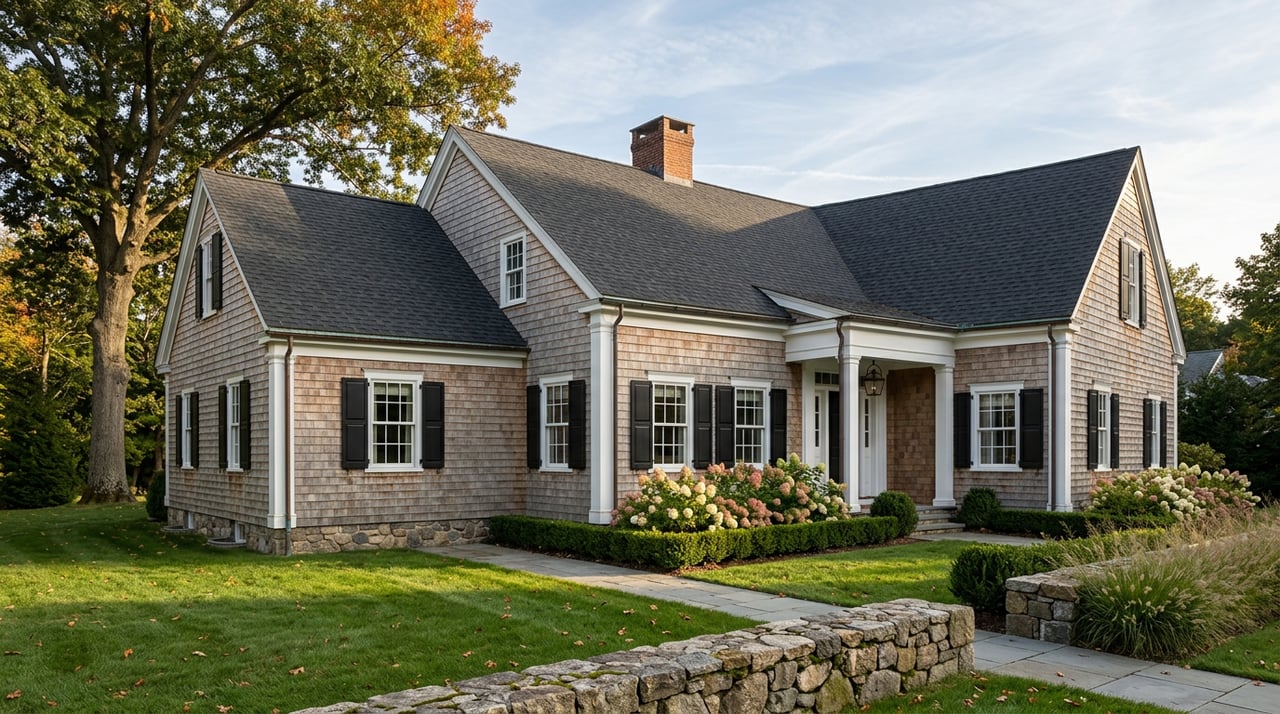
A detached home usually offers more privacy, more outdoor space, and more direct control over the property. That can be a major advantage if you want room to spread out or flexibility to personalize your space.
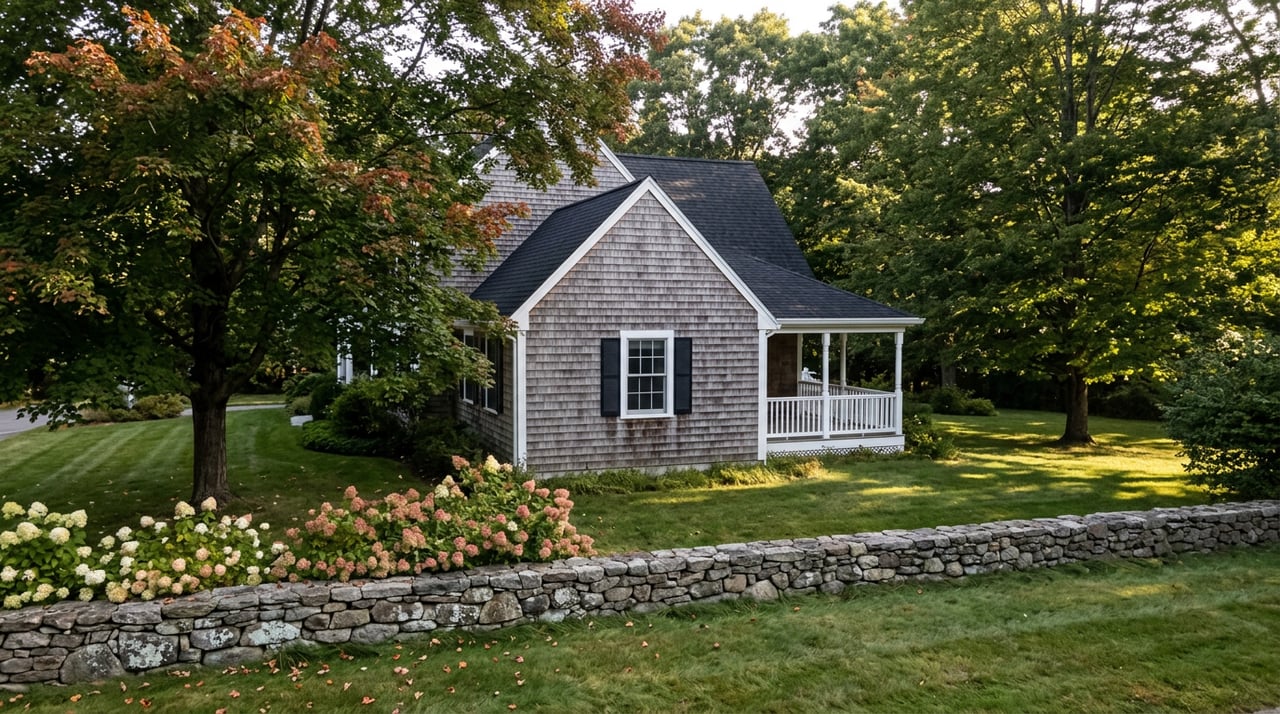
Recent Stamford listings show how that plays out in real life. A Glenbrook colonial on Elmbrook Drive sold on a corner lot, while North Stamford examples include homes on 0.46 acres, properties with 2-car garages, and homes on larger private lots with pools.
Of course, more space usually means more responsibility. As a single-family homeowner, you are typically handling exterior maintenance, landscaping, snow removal, repairs, and major system costs on your own timeline and budget.
Commute and Daily Convenience
If your routine includes regular train travel or a more urban lifestyle, a condo may have the edge. Stamford’s official maps and planning resources note the concentration of larger residential development near the city core, and the city’s transportation pages point to strong downtown transit access.
Stamford Station offers Metro-North service to Grand Central Terminal and Amtrak service, while CTtransit runs 17 local bus routes, including a downtown loop. The city also notes that many downtown residents live car-free, which helps explain why condo demand tends to cluster there.
That does not mean a single-family home cannot work for commuters. It simply means that buyers in lower-density sections may depend more on driving for daily errands, station access, and general mobility.
Resale and Financing Considerations
When you buy a condo, you are not only buying the unit. You are also buying into the building’s financial and operational health. That can have a direct impact on financing and future resale.
According to Fannie Mae’s condo guidance, condo project eligibility depends on factors such as financial health, master insurance coverage, and unresolved critical repairs. If a building has serious repair issues, inadequate insurance, or other project-level problems, units in that building may become ineligible for conventional financing until those issues are resolved.
That is one reason condo resale can be more building-dependent than house resale. Redfin’s 2025 national condo report also noted softer condo demand relative to single-family homes and linked it to rising HOA fees and insurance costs.
Detached homes have a different supply story. Stamford’s comprehensive plan is clear about preserving single-family neighborhoods, and with 60% of land in the single-family future land-use category, detached housing supply may remain relatively constrained over time. That does not guarantee appreciation, but it is a meaningful factor to keep in mind.
Which Option Fits Your Lifestyle?
The right choice depends on how you live, not just what you can buy. Stamford offers a wide enough range that both options can make sense depending on your goals.
A condo may be the stronger fit if you are:
- Looking for a lower entry price
- Prioritizing proximity to downtown and Stamford Station
- Hoping to reduce exterior maintenance
- Interested in amenities like concierge service, fitness space, or a pool
- Planning for a lock-and-leave lifestyle
A single-family home may make more sense if you are:
- Prioritizing privacy and separation from neighbors
- Looking for yard space or a larger lot
- Wanting more control over changes to the property
- Comfortable with higher maintenance responsibility
- Shopping for long-term space in areas like North Stamford, Springdale, Glenbrook, or Newfield-Westover-Turn of River
A Simple Way to Decide
If you are still torn, try ranking your top five priorities before touring homes. For example, you might score budget, commute, privacy, maintenance, and resale potential from most important to least important.
That simple exercise can quickly clarify your path. If budget and convenience rise to the top, a condo may stand out. If privacy, outdoor space, and long-term flexibility matter most, a single-family home may be the better match.
In Stamford, there is no one-size-fits-all answer. The smartest move is the one that aligns with your finances, your routine, and the way you want to live over the next several years. If you want help comparing Stamford neighborhoods, pricing, and lifestyle trade-offs in a more personal way, The Fair Team can help you navigate your options with clear local insight.
FAQs
What is the price difference between Stamford condos and single-family homes?
- Current market snapshots show condos around a $405,000 median listing price and a $444,000 median sale price, while Stamford houses have a median sale price around $875,000.
Are Stamford condo HOA fees worth paying?
- They can be worth it if you value convenience, because some Stamford HOA dues cover items like exterior maintenance, snow removal, heat, hot water, water, sewer, parking, or building amenities.
Which Stamford areas have the most condos?
- Condos are most associated with Downtown Stamford, South End, West Side, and some waterfront or mixed-use areas such as Shippan Point.
Which Stamford areas have more single-family homes?
- Single-family homes are more common in lower-density sections such as North Stamford, Springdale, Glenbrook, and Newfield-Westover-Turn of River.
Is a Stamford condo easier for commuters than a house?
- In many cases, yes, because downtown condos are closer to Stamford Station, local bus service, and areas where the city says many residents live car-free.
What should buyers check before buying a Stamford condo?
- You should review the HOA budget, reserves, insurance, rules, and whether the building remains eligible for conventional financing, since those issues can affect both your purchase and future resale.