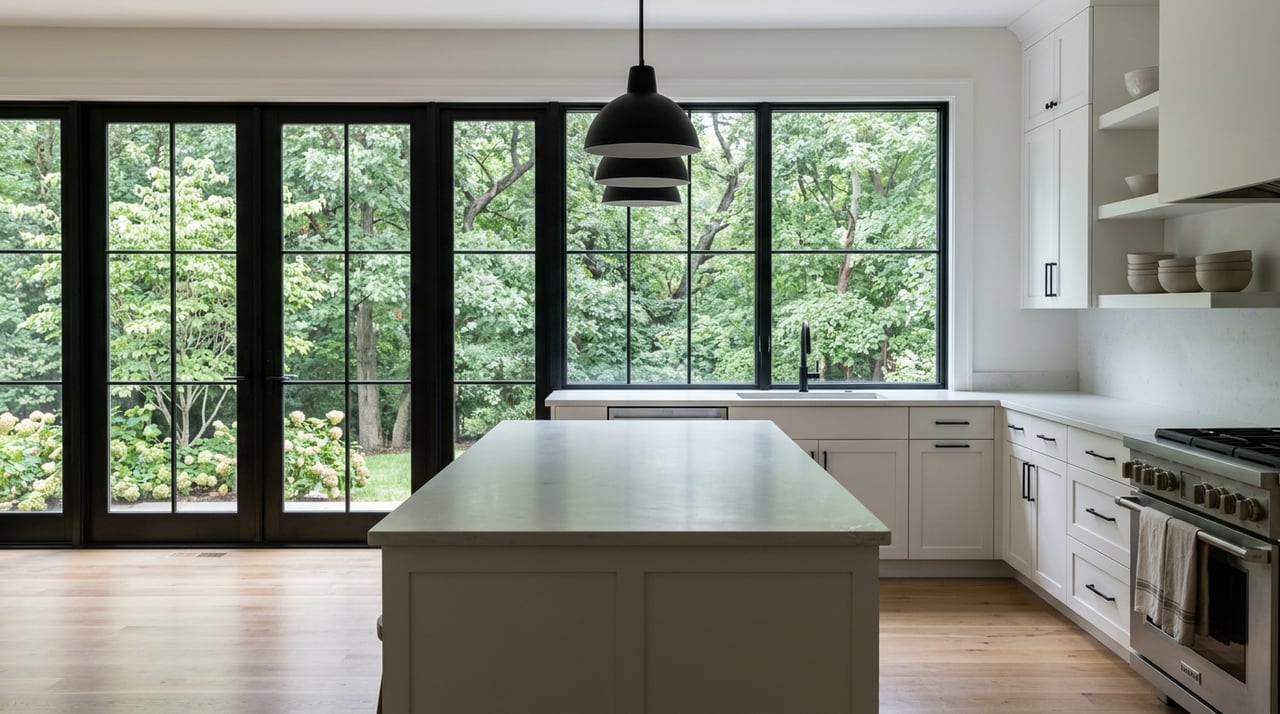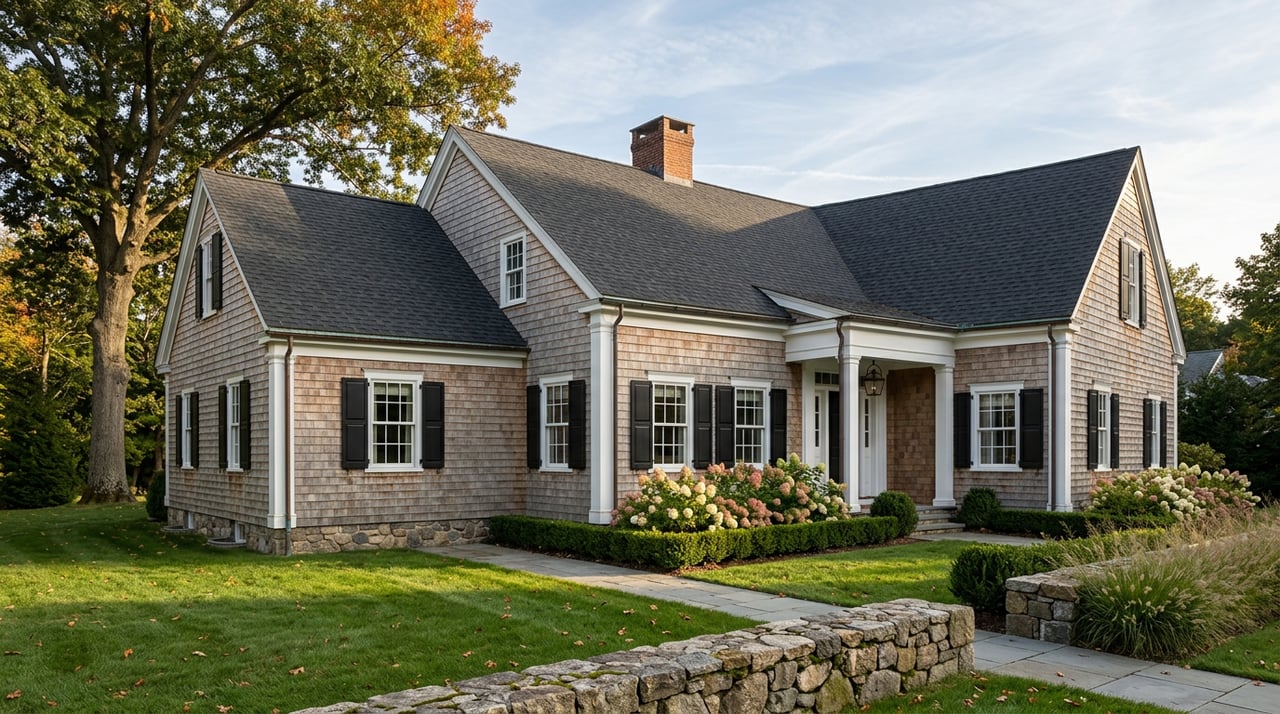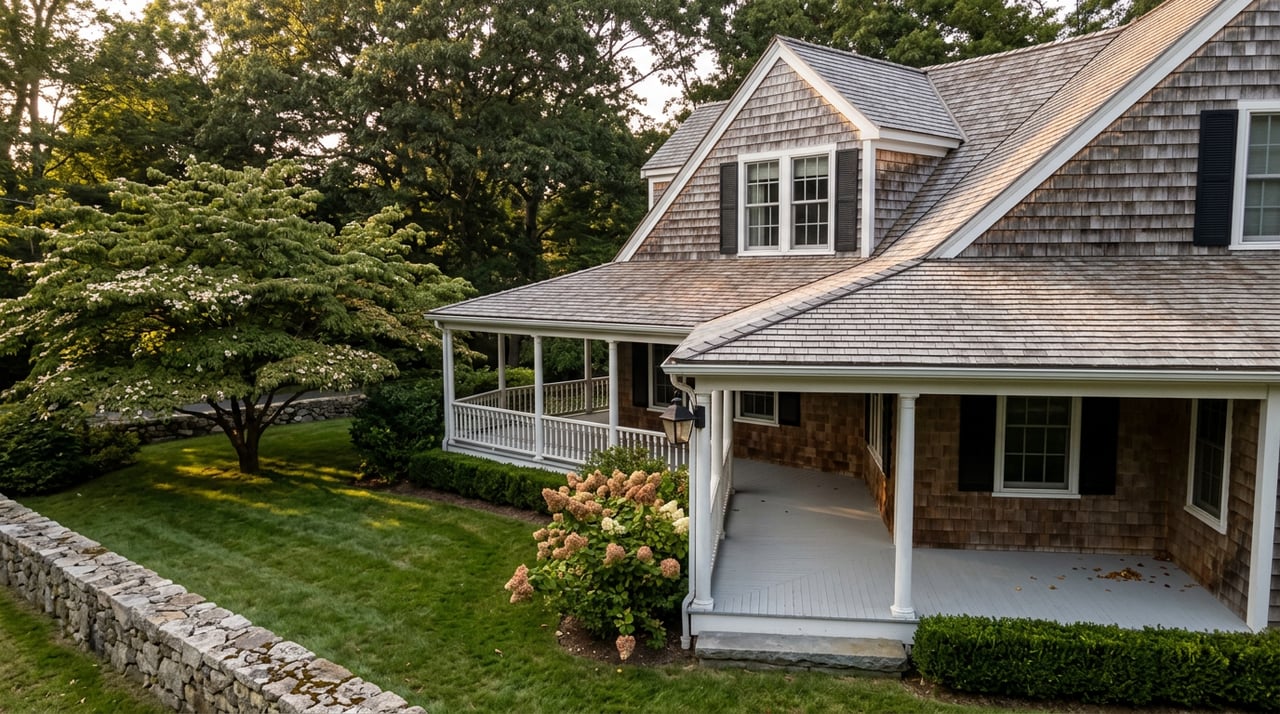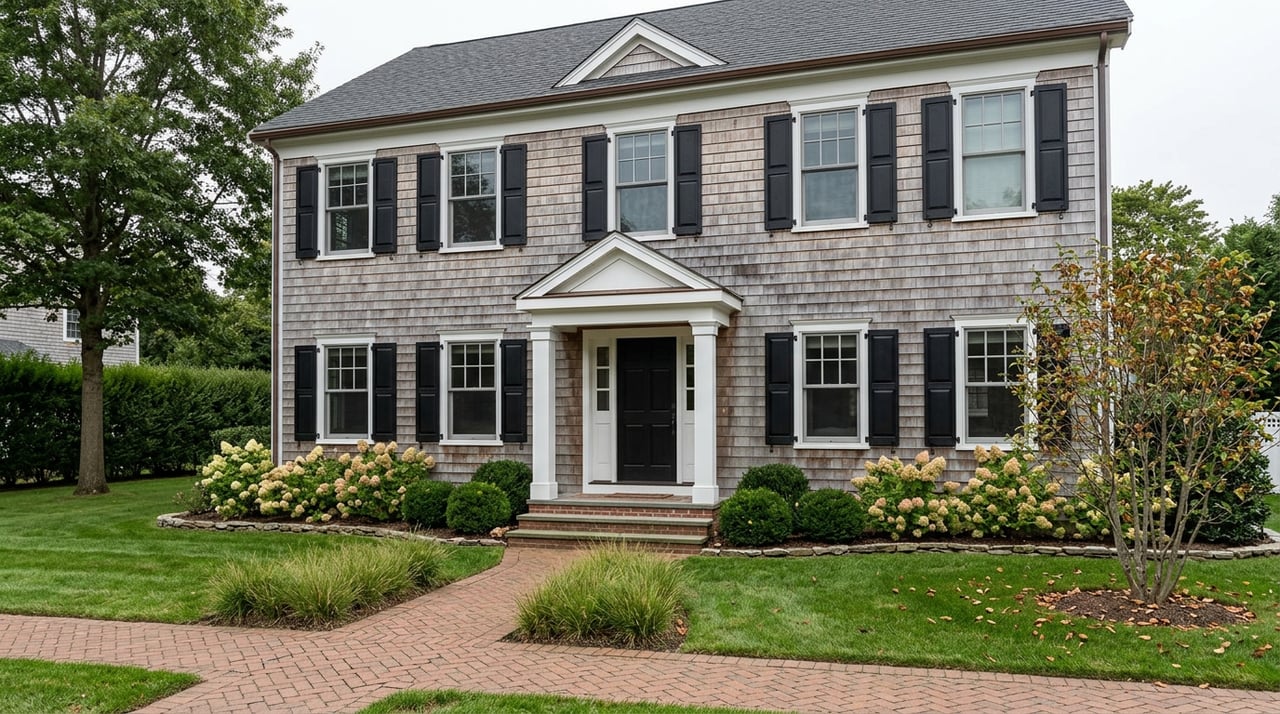
Picture two three-bedroom colonials in Norwalk, both listed within a few thousand dollars of each other, both built in the same decade, both a similar distance from the train. A buyer runs the numbers, assumes the carrying costs will land in the same range, and makes an offer. Then the tax bills come back. One is thousands of dollars higher than the other every single year, and nothing about the house itself explains why.
The answer has nothing to do with square footage or lot size. It has to do with a governmental structure that most Norwalk buyers never hear about until they're already under contract: the city's taxing districts. Norwalk never fully finished merging into one municipality, and the seams from that unfinished merger still show up on every property tax bill in the city.
A city that never finished merging
Norwalk as it exists today came together in 1913, when the separate City of Norwalk, the City of South Norwalk, and the East Norwalk Fire District consolidated into a single municipality. That merger didn't erase the old boundaries so much as rename them. In 1921, the city formalized a numbering system: the former City of Norwalk became the First Taxing District, South Norwalk became the Second, East Norwalk became the Third, and Rowayton, the small waterfront village on Norwalk's eastern edge, became the Sixth.
These aren't neighborhood nicknames. Under the city charter, the First, Second, Third, and Sixth Taxing Districts are legally defined as quasi-municipal corporations, meaning they're political subdivisions of the state with real governing authority, not just lines on a map. The First, Second, and Third Districts fund their operations through utility revenue and don't levy a separate district tax. The Sixth does. Rowayton's district charges its own tax specifically to pay for the services it provides that the rest of Norwalk doesn't get from that source: parks and beaches, garbage collection, a library, and fire protection.
Rowayton is still running its own government inside Norwalk's government
The Sixth Taxing District isn't a ceremonial holdover. It's an active, elected local government that happens to sit inside a larger city. Three Commissioners run it, each elected by Rowayton voters to a six year term, with elections staggered every two years and a charter rule that no more than two Commissioners can belong to the same political party. The district holds its own annual town meeting on the first Wednesday of March, where residents review and vote on a budget that runs around two million dollars a year.
What does that money buy? The Sixth Taxing District funds the Rowayton Library and the Rowayton Fire Department outright, and it manages a set of shared properties that belong to the village rather than the city at large: Pinkney Park, Bayley Beach, the Rowayton Community Center, the Rowayton Arts Center, and the Rowayton train station along with its parking lot. It also oversees garbage and leaf pickup and street lighting for the district. Of the property tax dollars a Rowayton homeowner sends in, roughly five percent stays with the Sixth Taxing District and the remaining ninety five percent goes to the City of Norwalk for everything else.
Here's the part that matters for a buyer comparing towns and neighborhoods: this arrangement means a Rowayton property owner is paying twice for overlapping categories of service, once to the city and once to the district, in exchange for a level of local control and a set of amenities that no other part of Norwalk has.
| Taxing District | How it's funded | What it covers locally |
|---|---|---|
| First (Norwalk) | Utility revenue, no separate district tax | No additional local levy |
| Second (South Norwalk) | Utility revenue, no separate district tax | No additional local levy |
| Third (East Norwalk) | Utility revenue, no separate district tax | No additional local levy |
| Sixth (Rowayton) | Its own annual tax levy | Library, fire department, parks and beaches, garbage and leaf pickup, street lighting |
What that means in dollars on a listing sheet
Norwalk's fiscal year 2026 budget put the city's average mill rate at 23.897, with assessments calculated at seventy percent of a property's estimated market value at the time of revaluation. Run that math on a $700,000 home and you land at roughly $11,710 a year in base city property tax, before any district specific levy is layered on.
That's the baseline. The city's own budget illustration shows average tax bills across its districts ranging from about $7,092 in the Second District up to $20,696 in the Sixth. That's not a typo and it isn't a simple story of Rowayton residents being punished for local governance. Part of that thirteen thousand dollar spread is the Sixth Taxing District's own levy. The rest of it is the fact that Rowayton's housing stock, being waterfront and in high demand, carries meaningfully higher assessed values than a comparable home a few miles inland. The tax bill is doing two jobs at once: charging a local surcharge for hyper local services, and reflecting a very different underlying real estate market.
That distinction matters because Norwalk's neighborhood-level pricing already tells part of this story before you ever get to the tax bill. As of the three months ending May 2026, Norwalk's citywide median sale price sat at $717,820, up 15.8 percent year over year, with homes selling at 105.1 percent of list price on average and moving off the market in about 25 days. But that citywide number flattens real differences. West Norwalk's detached colonials tend to run 10 to 15 percent above the city median. Rowayton waterfront properties routinely clear $1.5 million and up. The South Norwalk arts district around Washington Street has been drawing a different kind of buyer entirely, one who wants walkable density and doesn't need the yard-and-school calculation that drives buyers toward the inland neighborhoods.
A buyer who only compares list prices between these areas is already missing half the picture. Layer the taxing district structure on top, and the gap between what two Norwalk homes actually cost to hold, not just to buy, can be larger than the gap in their sale prices.
The lines don't follow the neighborhoods you'd guess
One more wrinkle worth knowing before you assume a neighborhood name tells you which district you're in: Norwalk's taxing districts, its voting precincts, and its city council districts don't all line up with each other, or with how residents actually describe their own neighborhoods. In municipal election years, the neighborhoods of Harbor View and Wilson Point are grouped with voters near Brookside School into a single precinct, even though Harbor View and Wilson Point aren't geographically connected to each other. Separately, on the city council, Rowayton is represented as part of District E, a grouping that also includes West Norwalk, Brookside, Wilson Point, Harborview, and parts of South Norwalk. None of these boundaries are drawn to match the taxing district lines described above.
The practical takeaway: don't assume that because a listing says "Rowayton" or "West Norwalk," you already know which tax structure applies. Some parcels near a district's edge can surprise you.
How to check before you compare two listings
Before you weigh two Norwalk properties against each other on price alone, ask your agent to confirm two things for each parcel: the combined mill rate that actually applies, and whether the property falls inside the Sixth Taxing District or is covered only by the city's general services. The city's tax assessor and tax collector maintain parcel level records that show the current combined rate, and the taxing district boundaries are part of the public record.
It's also worth thinking past the dollar figure to what you're getting for it. A Rowayton buyer paying into the Sixth Taxing District is, in effect, buying into a level of local governance and a set of amenities, Pinkney Park, Bayley Beach, a locally funded library and fire department, that the rest of Norwalk doesn't have direct access to in the same way. Compare that to Calf Pasture Beach, the city's 70-acre municipal beach park available to Norwalk residents broadly, or Cranbury Park's 200-plus acres of trails and the historic Gallaher Mansion in West Norwalk, both funded and maintained differently than Rowayton's district-run properties. None of this makes one arrangement better than another. It makes them genuinely different products, and the sale price alone won't tell you which one you're buying.
A few questions worth asking directly
Is the taxing district the same as my school district? No. Norwalk's taxing districts are separate from school assignment boundaries and from city council districts. A property's taxing district affects its tax bill and which local services it receives, not which schools it's zoned for.
Does every home in Norwalk pay an extra district tax? No. Only the Sixth Taxing District levies its own separate tax. The First, Second, and Third Districts are funded through utility revenue and don't add a district specific line to the tax bill.
How do I find out which taxing district a specific listing is in? Ask your agent to pull the parcel record from the city's tax assessor or tax collector, or check the parcel against the city's published taxing district map. Don't rely on the neighborhood name in the listing description alone.
None of this is tax or legal advice, and rates and district boundaries can shift with each budget cycle, so confirm the current figures for any specific parcel before you write an offer.
If you're weighing a move into Norwalk, or comparing it against Westport, Wilton, or another Fairfield County town, the details that don't show up on a portal listing are usually the ones that matter most once you own the house. The Fair Team works these towns block by block, tax district by tax district, and can walk you through what a specific property will actually cost to hold, not just to buy. Request a complimentary home valuation and let's look at the real numbers together.